
mn driver’s manual 2023
Minnesota Driver’s Manual 2023: A Comprehensive Guide
This 2023 manual, authorized by the Minnesota Department of Public Safety, provides essential guidance for obtaining a license and safe driving practices within the state․
Welcome to the 2023 Minnesota Driver’s Manual! This comprehensive guide, officially sanctioned by the Minnesota Department of Public Safety, serves as your primary resource for navigating the state’s roadways safely and legally․ It details everything from licensing procedures – including age requirements and necessary documentation – to a thorough overview of Minnesota’s traffic laws and regulations․
Whether you are a new driver, renewing your license, or simply brushing up on your knowledge, this manual provides vital information․ It also touches upon crucial aspects like safe driving techniques, understanding road signs, and preparing for adverse weather conditions․ Remember, responsible driving is paramount for everyone’s safety․
Understanding Minnesota Driver’s License Classes
Minnesota offers various driver’s license classes tailored to different vehicle types and operating privileges․ Class D is the standard license for operating most passenger vehicles․ Commercial Driver’s Licenses (CDL) – including Class 1 with Air Brake Endorsement – are required for large trucks and combinations․ Understanding these distinctions is crucial․
The manual details specific requirements for each class, including age restrictions, testing procedures, and any applicable endorsements․ International travelers, aged 21 or older, have different requirements than domestic drivers aged 18 or older․ Proper classification ensures legal and safe operation of vehicles․
Applying for a Minnesota Driver’s License
To apply for a Minnesota driver’s license, prospective drivers must navigate a structured process outlined in the official manual․ This involves meeting age requirements, which vary depending on the license type sought․ Applicants need to gather required documentation, proving identity, residency, and social security number․
The application process includes vision testing, written knowledge exams, and a road test to demonstrate driving proficiency․ Resources are available for practice tests and manual review to prepare effectively․ Successful completion of these steps leads to license issuance․
Age Requirements for Different License Types
Minnesota establishes specific age criteria for various driver’s license classifications․ A learner’s permit is generally available at age 15, allowing supervised driving practice․ For unrestricted provisional licenses, drivers must be at least 16 years old and fulfill specific requirements․
Full, unrestricted licenses are typically granted at age 18․ Commercial Driver’s Licenses (CDL) have differing age thresholds – a minimum of 18 for intrastate travel and 21 for interstate commerce, alongside valid CDL credentials․
Required Documentation for License Application
Applying for a Minnesota driver’s license necessitates presenting specific documentation to verify identity, residency, and legal presence․ Acceptable identification includes a certified birth certificate, valid U․S․ passport, or permanent resident card․
Proof of residency, such as utility bills or lease agreements, is also crucial․ Applicants must demonstrate Social Security number verification․ Further documentation may be required for name changes or specific license types, like a CDL, demanding a valid commercial license and medical certification․
Minnesota Traffic Laws and Regulations
Minnesota’s traffic laws prioritize safety and order on roadways, encompassing speed limits, right-of-way rules, and stringent regulations concerning alcohol and impaired driving․ Speed limits vary based on road type – rural highways, urban areas, and construction zones – demanding driver awareness․
Understanding right-of-way protocols at intersections and pedestrian crossings is vital․ Minnesota enforces zero-tolerance laws regarding underage drinking and driving, with severe penalties for violations, including license suspension and legal repercussions․
Speed Limits in Minnesota
Minnesota establishes varying speed limits based on road conditions and location, ensuring driver safety․ Generally, rural interstates allow for a maximum speed of 70 mph, while urban interstates are capped at 65 mph․ On most state highways, the limit is 60 mph, decreasing to 55 mph in some areas․
Within city and town limits, speed limits typically range from 20 to 30 mph, often posted with clear signage․ Drivers must adhere to posted limits, adjusting for weather and traffic conditions to prevent accidents․
Right-of-Way Rules in Minnesota
Understanding right-of-way is crucial for safe driving in Minnesota․ Generally, vehicles entering a roadway from a driveway or alley must yield to pedestrians and traffic․ At intersections without signals, drivers should yield to vehicles approaching from the right․
When approaching a stop sign, drivers must come to a complete stop and yield to cross-traffic․ Emergency vehicles with sirens and lights activated always have the right-of-way, requiring immediate action from other drivers․
Minnesota’s Laws Regarding Alcohol and Driving
Minnesota enforces strict laws against driving under the influence (DUI)․ It is illegal to operate a vehicle with a blood alcohol concentration (BAC) of ․08% or higher․ Penalties for DUI convictions include fines, license suspension, and even imprisonment․
Implied consent laws require drivers to submit to chemical tests (breath, blood, or urine) if requested by law enforcement․ Refusal can result in license revocation․ Zero tolerance laws apply to drivers under 21, with a lower BAC limit․
Safe Driving Practices in Minnesota
Prioritizing safety is crucial while driving in Minnesota’s diverse conditions․ Employ defensive driving techniques, maintaining awareness of surroundings and anticipating potential hazards․ Always buckle up – it’s the law! Avoid distractions like cell phones and adjust driving to weather conditions․
Be especially cautious sharing roads with motorcycles, providing ample space․ Regular vehicle maintenance, including tire checks, is vital․ Following speed limits and obeying traffic signals are fundamental for a secure journey․
Defensive Driving Techniques
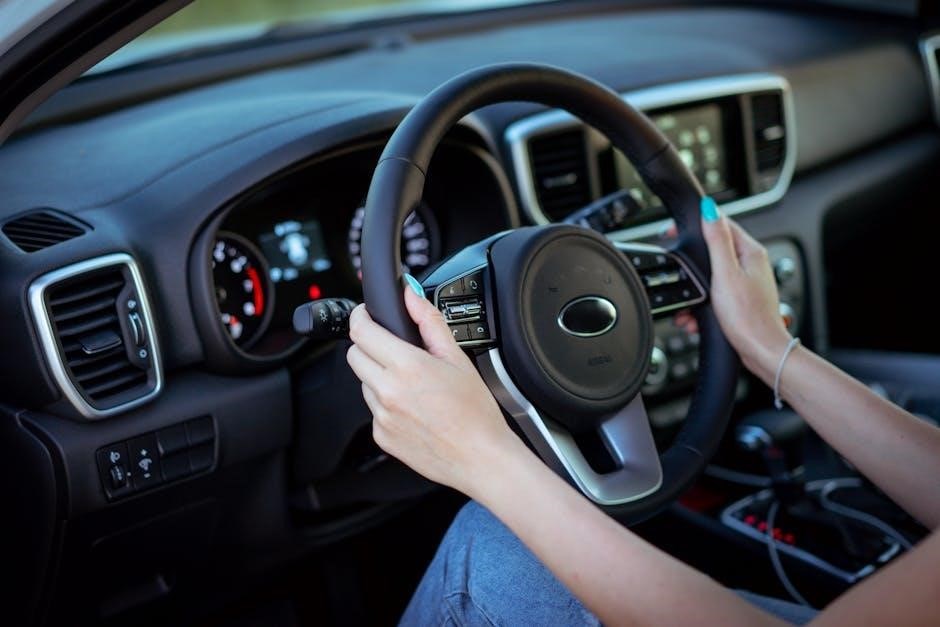
Minnesota drivers should master defensive strategies for enhanced safety․ Maintain a safe following distance, scan the road ahead, and be aware of potential hazards – pedestrians, cyclists, and other vehicles․ Anticipate actions of others and prepare to react․
Minimize distractions, including cell phone use, and avoid aggressive driving behaviors․ Regularly check mirrors and blind spots․ Being a proactive and observant driver significantly reduces accident risk on Minnesota roads․
Sharing the Road with Motorcycles
Minnesota drivers must be particularly vigilant around motorcycles․ Motorcycles are smaller and harder to see, requiring increased awareness․ Allow ample following distance and check blind spots carefully before changing lanes or turning․
Never share a lane with a motorcycle․ Be mindful of a motorcycle’s vulnerability in adverse weather conditions․ Respect their right-of-way and anticipate their movements․ Safe interaction protects both motorcyclists and other drivers on Minnesota roadways․
Minnesota Road Signs and Signals
Understanding Minnesota’s road signs and signals is crucial for safe driving․ Signs communicate important information about regulations, warnings, and directions․ Regulatory signs, often rectangular, indicate laws drivers must obey, like speed limits․
Warning signs, typically diamond-shaped, alert drivers to potential hazards ahead․ Signals, including traffic lights and arrows, control traffic flow․ Familiarity with these visual cues ensures drivers can navigate Minnesota roads effectively and prevent accidents;
Understanding Regulatory Signs
Regulatory signs inform drivers of laws and regulations they must follow․ These signs are generally rectangular or square, often with black text on a white background․ Examples include speed limit signs, stop signs, yield signs, and do-not-enter signs․
Ignoring regulatory signs can lead to traffic violations and increase the risk of collisions․ Drivers must recognize and obey these signs to ensure the safety of themselves and others on Minnesota roadways, adhering to all posted rules․
Understanding Warning Signs
Warning signs alert drivers to potential hazards or changing road conditions ahead․ Typically diamond-shaped and yellow with black symbols, they indicate curves, intersections, pedestrian crossings, or other situations requiring extra caution․
Drivers should reduce speed and be prepared to adjust their driving when encountering warning signs․ Recognizing these signs is crucial for anticipating potential dangers and avoiding accidents on Minnesota’s roads, promoting a safer driving environment for everyone․
Vehicle Equipment Requirements in Minnesota
Minnesota law mandates specific equipment for safe vehicle operation․ This includes functioning headlights, taillights, brake lights, turn signals, and seatbelts for all occupants․ Proper mirrors are also essential for visibility․
Vehicles must pass periodic inspections to ensure compliance with these standards․ Maintaining proper tire condition – adequate tread depth and correct inflation – is also legally required, contributing significantly to vehicle control and overall road safety throughout the state․
Required Vehicle Inspections
Minnesota requires periodic vehicle inspections to ensure roadworthiness and safety․ While not all vehicles necessitate annual inspections, specific requirements apply based on vehicle type and age․ Inspections verify proper functioning of critical components like brakes, lights, steering, and tires․
These checks contribute to reducing accidents caused by mechanical failures․ Owners are responsible for maintaining their vehicles and ensuring they meet inspection standards, promoting safer roads for everyone in Minnesota․
Proper Tire Condition and Maintenance
Maintaining proper tire condition is crucial for safe driving in Minnesota’s varied weather․ Regularly check tire pressure – including the spare – and inflate to the manufacturer’s recommended levels․ Inspect tires for tread depth, damage like cuts or bulges, and uneven wear patterns․
Adequate tread ensures proper grip, especially on snow and ice․ Rotate tires periodically to promote even wear and extend their lifespan, contributing to overall vehicle safety and fuel efficiency․
Driving in Adverse Weather Conditions in Minnesota
Minnesota experiences severe weather, demanding cautious driving․ Reduce speed significantly in snow, ice, fog, or rain․ Increase following distance to allow ample stopping time․ Use headlights – low beams in fog, high beams when visibility allows – and avoid cruise control on slippery surfaces․
Be aware of black ice, a nearly invisible hazard․ If your vehicle skids, steer in the direction of the skid and avoid sudden braking․ Prepare for winter driving with appropriate tires and an emergency kit․
Driving in Snow and Ice
Snow and ice significantly reduce traction, increasing stopping distances and the risk of skidding․ Slow down and accelerate gently․ Avoid abrupt steering maneuvers or braking․ Ensure tires have adequate tread depth for optimal grip․ Be especially cautious on bridges and overpasses, as they freeze quicker․
If you begin to skid, remain calm, steer in the direction you want the front of the car to go, and gently release the accelerator and brake․ Winter tires are highly recommended for improved safety․
Driving in Fog and Rain
Reduced visibility is the primary hazard when driving in fog or rain․ Slow down and increase your following distance significantly․ Use low-beam headlights; high beams reflect off the moisture and worsen visibility․ Activate windshield wipers and defrosters to maintain a clear view․
Avoid sudden stops or turns․ Be aware of hydroplaning – when tires lose contact with the road surface due to water․ If hydroplaning occurs, ease off the accelerator and steer straight․
Minnesota’s Graduated Driver Licensing (GDL) System
Minnesota’s GDL system aims to provide new drivers with supervised experience before granting full driving privileges․ It progresses through learner’s permit, provisional license, and finally, a full license․ The learner’s permit stage requires supervised driving with a licensed driver aged 21 or older․
Provisional license restrictions include nighttime driving limitations and passenger restrictions․ Successful completion of these stages, along with meeting age requirements, leads to unrestricted driving privileges․
Learner’s Permit Restrictions
Holding a Minnesota learner’s permit comes with specific restrictions designed to ensure safety during the initial learning phase․ You must be accompanied by a licensed driver who is 21 years or older while operating a vehicle․ This supervising driver must be seated in the front passenger seat․
Permit holders are prohibited from using mobile devices, even hands-free, and all passengers must wear seatbelts․ Driving is restricted during nighttime hours, and violations can result in penalties․
Provisional License Restrictions
Minnesota’s provisional license, granted after completing the GDL system, still carries certain restrictions for new drivers․ During the first six months, driving is prohibited between midnight and 5:00 AM, except when accompanied by a licensed driver 21 or older․
There are limitations on the number of passengers under the age of 20 allowed in the vehicle, and mobile device use remains restricted․ Successfully completing this phase leads to full licensure․
Traffic Incident Management in Minnesota
Minnesota emphasizes swift and safe traffic incident management to minimize congestion and secondary crashes․ Following an accident, prioritize safety by moving vehicles to the shoulder if possible and activating hazard lights․
Ensure your personal safety and check for injuries․ Minnesota law requires reporting accidents resulting in injury, death, or property damage exceeding $1,000 to authorities promptly․ Accurate reporting aids investigations and insurance claims․
What to Do After an Accident
Immediately after a Minnesota accident, ensure personal safety – check for injuries to yourself and passengers․ Move vehicles to a safe location, if drivable, activating hazard lights to warn approaching traffic․

Exchange information with all involved parties: names, addresses, insurance details, and vehicle registration․ Document the scene with photos or notes․ Contact law enforcement, especially if injuries or significant damage occur, and cooperate fully with their investigation․
Reporting Accidents to Authorities
Minnesota law requires reporting accidents to authorities under specific circumstances․ Report immediately if the accident results in injury, death, or property damage exceeding $1,000․ Contact the Minnesota State Patrol or local law enforcement agency․
A crash report (Form SR-1) must be submitted to the Department of Public Safety within 10 days if the criteria are met․ Failure to report can result in penalties․ Accurate reporting aids in data collection for traffic safety improvements․
Emergency Situations While Driving
Preparedness is key when facing emergencies on Minnesota roads․ If experiencing a vehicle breakdown, safely pull over to the shoulder, activate hazard lights, and stay visible․ For road hazards, slow down and carefully maneuver around them, if possible․
In accident scenarios, prioritize safety – check for injuries, move to a secure location, and call for help․ Knowing how to respond calmly and effectively can mitigate risks and ensure everyone’s well-being during unexpected events․
Dealing with Vehicle Breakdowns
When your vehicle breaks down in Minnesota, safety is paramount․ Immediately activate your hazard lights to alert other drivers․ Carefully steer the vehicle off the roadway, if possible, to a safe location – the shoulder is preferable․
Remain visible; consider using flares or reflective triangles․ Avoid attempting repairs on a busy highway․ Contact roadside assistance or emergency services for help, providing your exact location․ Prioritize your personal safety and the safety of passengers․

Responding to Road Hazards
Minnesota roads present various hazards, demanding vigilant driving․ Encountering debris, animals, or disabled vehicles requires immediate, cautious action․ Reduce speed and scan the road ahead, anticipating potential dangers․ If possible, safely change lanes to avoid the hazard, signaling your intentions clearly․
If avoidance isn’t possible, brake firmly but avoid swerving abruptly․ Report significant hazards to authorities, providing location details․ Prioritize maintaining control of your vehicle and ensuring your safety and the safety of others․
Minnesota’s Motorcycle Manual Information
Minnesota requires specific knowledge for motorcycle operation, detailed in a dedicated manual․ This resource covers essential topics like motorcycle controls, safe riding techniques, and state-specific laws․ Riders must demonstrate understanding of these principles during licensing procedures․
The manual emphasizes hazard perception, cornering, and braking skills crucial for motorcycle safety․ It also outlines required equipment, including helmets and eye protection․ Obtaining and studying this manual is vital for all prospective and current Minnesota motorcyclists․
Commercial Driver’s License (CDL) Information
Minnesota’s CDL process demands rigorous standards for operating commercial vehicles․ Applicants must be at least 18 for intrastate and 21 for interstate travel, possessing a valid CDL Class 1 with Air Brake Endorsement․ Comprehensive testing, including knowledge and skills assessments, is mandatory․
The manual details specific requirements for various CDL classifications and endorsements․ Medical examinations are crucial, ensuring drivers meet physical qualifications․ Continuous training and adherence to federal regulations are essential for maintaining a valid CDL in Minnesota․
Resources for Further Information
For detailed information beyond this manual, the Minnesota Department of Public Safety website is a primary resource․ It offers access to official forms, updated regulations, and frequently asked questions regarding driver licensing and traffic laws․
Additionally, explore resources related to the XXV Olympic Winter Games 2026 and sports regulations․ Scientific publications, including those listed in the Unified State List of Scientific Publications, may offer related research․ Remember to always consult official state sources for accurate guidance․
Updates and Changes to the 2023 Manual
This manual reflects the most current Minnesota driving laws as of its publication date, but regulations are subject to change․ Drivers are encouraged to regularly check the Minnesota Department of Public Safety website for any updates or amendments to traffic laws, licensing procedures, or vehicle equipment requirements․
Stay informed about potential impacts from events like the 2026 Winter Olympics and evolving scientific understanding, such as neuro-immuno-endocrine system theory, on driver safety practices․
Minnesota Driver’s Manual Practice Tests
Prepare effectively for your Minnesota driver’s permit test with a variety of practice resources! Options include traditional practice tests, intensive marathon sessions, comprehensive manual review, focused question lists, and helpful flashcards․
These tools are designed to reinforce your understanding of the material covered in the official 2023 Minnesota Driver’s Manual, ensuring you’re well-prepared to demonstrate knowledge of state traffic laws and safe driving techniques․ Success is within reach!
Neuro-Immuno-Endocrine System Theory in Relation to Driver Safety

Emerging research explores the connection between the neuro-immuno-endocrine system and driver performance․ This theory, investigated in a 2026 study, suggests physiological factors significantly impact alertness, reaction time, and decision-making abilities while operating a vehicle․
Understanding these interactions is crucial for promoting driver safety, potentially leading to improved screening processes and personalized safety recommendations․ Further research is needed to fully explore these complex relationships․